
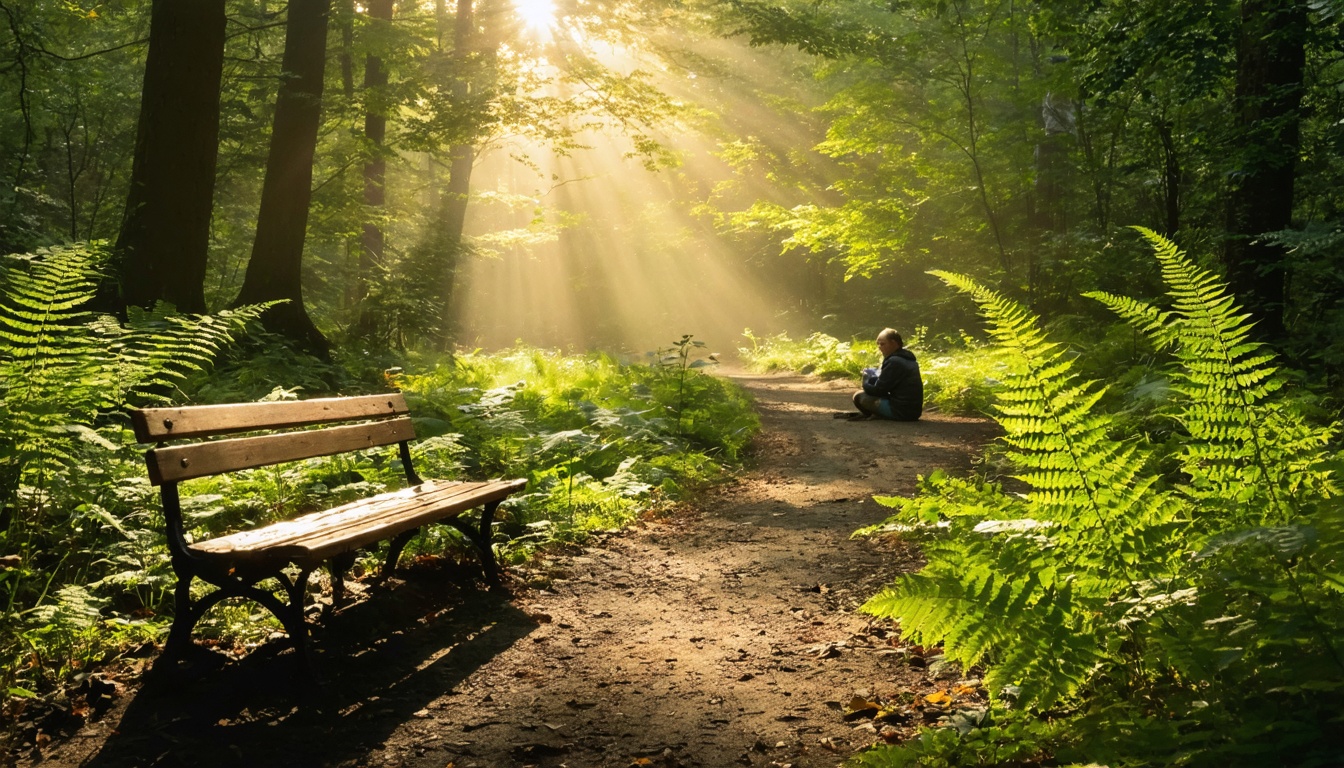
How Nature Can Support Addiction Recovery
When you step outside and let natural surroundings replace daily stressors, you often find your mind starts to unwind. Green spaces, fresh air, and the simple act of movement outdoors offer something traditional addiction treatments sometimes miss a unique kind of healing that’s both accessible and supportive. If you’re curious about how time in nature can change the course of recovery and what makes it such a powerful resource, there’s much more to consider.
The Role of Natural Environments in Substance Use Treatment
The Role of Natural Environments in Substance Use Treatment
Traditional addiction treatment methodologies have primarily concentrated on clinical and pharmacological strategies. However, a body of research indicates that natural environments significantly contribute to the recovery process.
Evidence suggests that exposure to nature can reduce substance use and foster a sustainable pathway to sobriety. Engaging with green spaces, inhaling clean air, and participating in outdoor activities, such as cycling or gardening, may promote a psychological sense of renewal.
Research published by reputable sources, including Psychology Today and studies attributed to figures like John Muir, supports the notion that interactions with the natural world can mitigate harmful behaviors and decrease stress levels.
These findings have implications for both residential treatment programs, including rehab centers for drugs, and outdoor therapeutic activities. The staff utilizes extensive experience to integrate these insights into their treatment approaches, recognizing the potential benefits of incorporating natural settings into recovery plans.
This blend of traditional treatment and engagement with nature may enhance the overall effectiveness of substance use disorder interventions.
Mental Health Benefits Associated with Outdoor Experiences
Engaging with outdoor environments can provide significant mental health benefits for individuals in addiction recovery. Research indicates that exposure to natural settings contributes to reduced stress levels and alleviates symptoms of depression that are often associated with substance use disorders. The presence of fresh air and natural light, coupled with a tranquil ambiance, fosters conditions conducive to self-reflection and mindfulness.
Scientific literature, including insights from Psychology Today, supports the assertion that natural environments can enhance emotional resilience and cognitive clarity. Activities such as cycling or walking in natural surroundings have been associated with improved mental well-being and can serve as supportive measures in maintaining sobriety.
Furthermore, leveraging the team extensive experience in the field, advocates for incorporating outdoor experiences into recovery programs. They endorse nature engagement as a viable strategy for preventing relapse and promoting overall recovery outcomes.
These findings underscore the importance of integrating outdoor activities into treatment modalities aimed at supporting individuals on their recovery journey.
Physical Well-Being and Recovery in Natural Settings
Engaging in physical activity in natural settings has been shown to facilitate recovery processes by enhancing the body's production of endorphins and serotonin. These neurotransmitters are integral to mood regulation and emotional stability.
Activities such as walking, biking, or immersing oneself in nature provide benefits associated with exposure to fresh air, natural light, and green spaces. Research indicates that these interactions can significantly lower stress levels and improve both physical and mental health outcomes.
Furthermore, natural environments have been linked to enhanced recovery from addiction by promoting a sense of renewal and supporting the implementation of preventive strategies. This connection aids in reinforcing beneficial habits essential for long-term well-being.
Family Dynamics and Social Support Through Nature-Based Activities
Engagement in nature-based activities has been identified as a beneficial method for strengthening familial emotional connections, particularly for individuals in recovery from addiction. Participation in outdoor activities, such as cycling, gardening, or simply spending time in a natural environment, can foster healthier relationships among family members.
Research indicates that these interactions in natural settings may contribute to stress reduction and promote a sense of renewal.
Moreover, engaging in outdoor activities provides a space for important discussions surrounding substance use and treatment options, which can play a significant role in supporting both physical and mental health.
The therapeutic benefits of natural environments are well-documented, with leading authorities in the field, including contributors from Psychology Today and notable figures such as John Muir, recognizing the potential of nature as a supportive element in recovery processes.
Overall, the integration of nature-based activities into the recovery framework presents a viable strategy that aligns with established insights into family dynamics and social support mechanisms.
Future Directions for Integrating Nature into Addiction Recovery Programs
Research increasingly indicates the efficacy of nature-based interventions in addiction recovery programs. Approximately 85% of studies in this field report favorable outcomes associated with activities such as hiking, gardening, and spending time in natural settings.
Future initiatives are likely to adopt innovative prevention strategies that utilize green spaces and the beneficial aspects of natural environments.
Evidence suggests that engagement with nature can enhance both physical and mental health, reduce stress, and aid in maintaining sobriety. Programs, such as those offered, may include structured activities like cycling or residential care in environments characterized by natural light and tranquility.
For further details, you may contact us or access additional resources through our blog.
Conclusion
By bringing nature into your recovery journey, you tap into its calming, restorative power. Spending time outdoors can help reduce stress, improve your mood, and boost your physical health. You’ll likely find that nature-based activities foster deeper social connections and support, making your path to recovery more sustainable. As you consider your treatment options, don’t overlook the potential of natural environments to complement your efforts and provide ongoing strength and encouragement.